If you've shipped anything internationally in the last few years, you've felt the freight market swing from crisis to crisis. 2026 is different — not calmer, exactly, but more legible, if you know what to look for.
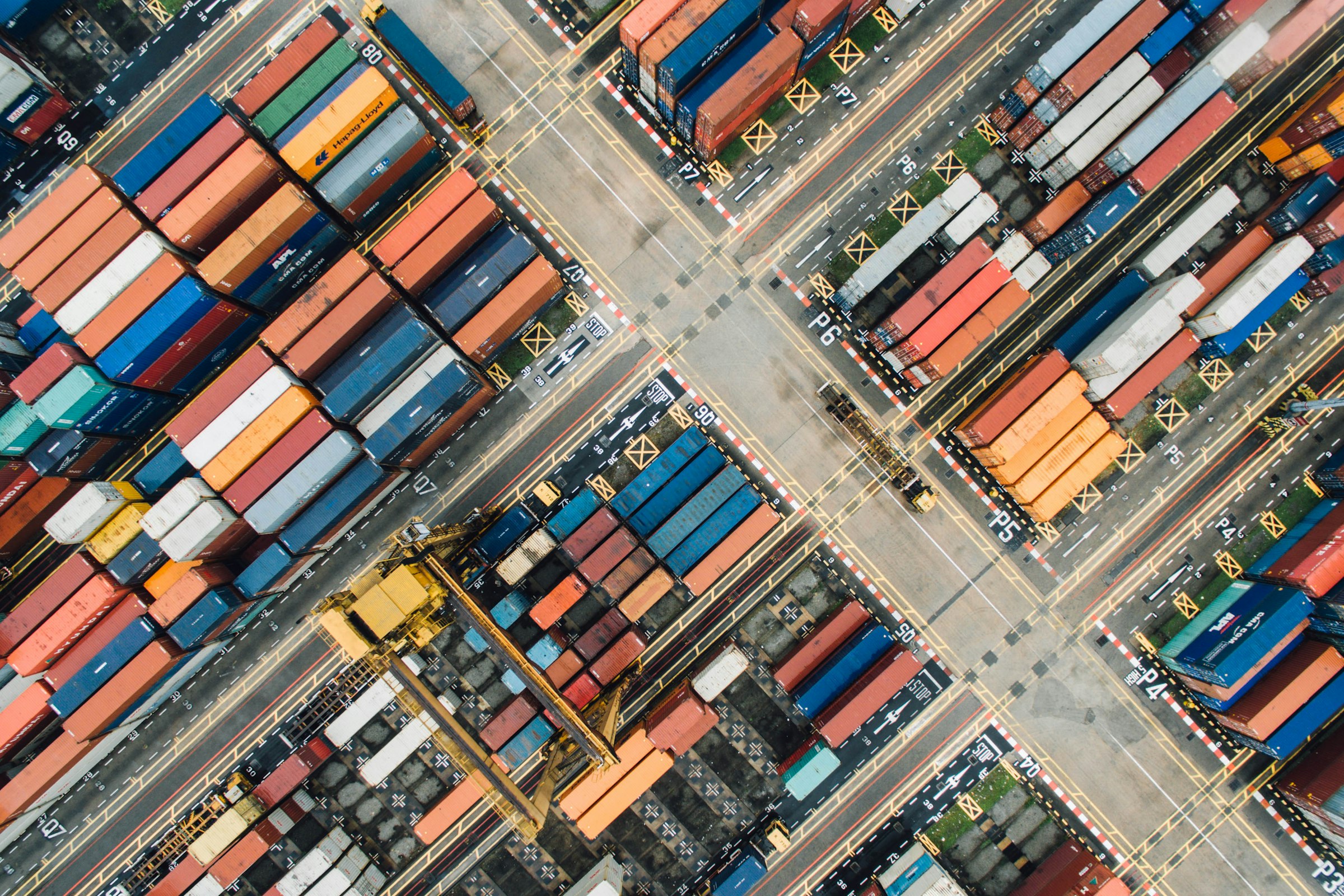
The big structural story is oversupply. Between 2020 and 2023, shipping lines ordered an enormous wave of new vessels to capitalize on pandemic-era profits — more than 7 million additional TEUs of capacity — and that capacity has now landed, pushing global shipping into oversupply not seen since 2016. On the major East-West trade lanes, capacity is now running more than 10% ahead of demand. Historically, even a 5% surplus is enough to push rates down hard, so the general direction of 2026 has genuinely been a buyer's market on many routes, with some spot rates down over 70% from their 2022 peak.
But "buyer's market" doesn't mean "predictable," and one lane can look nothing like another. A 40-foot container from China to the US West Coast has traded anywhere from roughly $3,000 to $5,500 in 2026, while the same container to the East Coast runs noticeably higher — and peak season (broadly August through October) has historically pushed rates 40-80% above off-peak levels on top of that. Tariff deadlines and equipment shortages have also produced sharp, temporary spikes mid-year on specific lanes, even while the broader trend stays soft. The lesson: a freight quote from three months ago tells you very little about what you'll pay this month.
So how do you actually decide between ocean and air, practically? The rule of thumb hasn't changed even as prices have: ocean freight remains 5-8x cheaper per unit than air, and is the clear choice for anything with real volume and a flexible timeline. Air freight earns its much higher cost only when time genuinely is the constraint — a product tied to a launch date, a fast-moving trend, or a customer commitment you can't push back.
One practical habit worth adopting this year: if your shipping volume is steady, 2026's contract rates (as opposed to spot rates) have been holding notably more stable than the daily-changing chaos of prior years — meaning a buyer with consistent volume genuinely has room to negotiate and lock in better terms than someone booking spot, shipment by shipment.
None of this changes with a single article — freight strategy is something you build over multiple shipments, watching your specific lanes and adjusting as the market moves. That ongoing read of the market, lane by lane, is exactly the value Tradeila's logistics team puts to work for every shipment we route.
Signing off until next time, Tradeila – your global trade journey partner GLOBAL TRADE WITHOUT BARRIERS